
How Regenerative Medicine Is Changing Anti-Aging
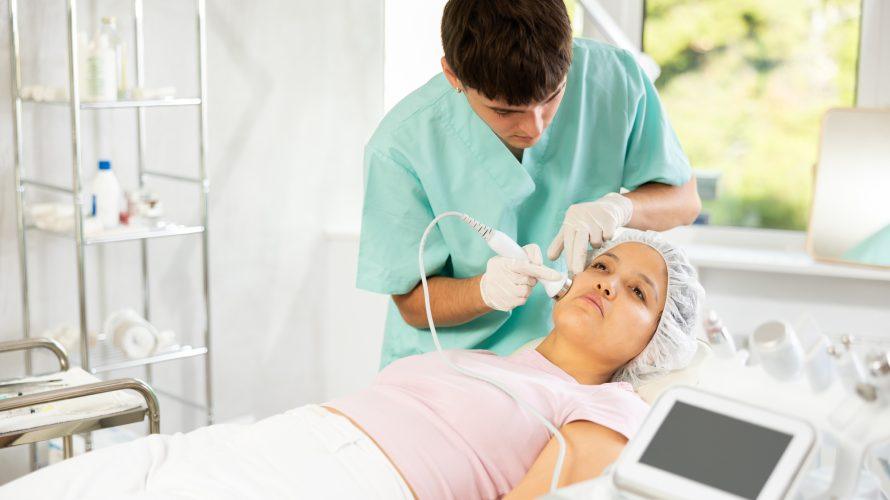
Anti aging regenerative medicine is becoming one of the most discussed topics in modern healthcare as researchers and medical professionals explore new ways to support healthy aging. As global life expectancy increases, many people are interested in maintaining vitality, physical function, and overall wellness throughout their lives. Traditional anti-aging approaches have often focused on cosmetic improvements or managing the visible signs of aging. However, regenerative medicine introduces a different perspective by focusing on cellular health and the body’s natural repair systems.
Regenerative medicine is a field of medical science that studies how damaged cells, tissues, and organs can be repaired or restored. Instead of only treating symptoms, regenerative medicine aims to address the biological processes that contribute to aging and tissue deterioration. By understanding how the body naturally heals and regenerates itself, scientists are developing therapies designed to support these internal mechanisms.
One of the key ideas behind anti aging regenerative medicine is that aging occurs partly because the body’s ability to repair itself gradually declines over time. Cells may lose efficiency, tissues may regenerate more slowly, and communication between cells may weaken. These biological changes can lead to many of the physical effects associated with aging, such as reduced skin elasticity, slower recovery from injuries, and decreased cellular function. Researchers believe that by supporting cellular repair processes, regenerative medicine may help maintain healthier tissues and biological balance.
Stem cells are one of the most important components of regenerative medicine. These cells are unique because they have the ability to develop into many different types of specialized cells. For example, stem cells can transform into muscle cells, nerve cells, cartilage cells, or blood cells depending on the signals they receive from their environment. In addition to their ability to differentiate into other cell types, stem cells also release signaling molecules that influence nearby cells.
These signaling molecules, often called growth factors and cytokines, play an important role in the body’s healing process. They help regulate inflammation, support tissue repair, and coordinate communication between cells. Because of these functions, stem cells are considered an essential part of the body’s natural regeneration system. In anti aging regenerative medicine, scientists study how these cells can be used to encourage healthier cellular environments and support tissue repair.
One common approach in regenerative medicine involves using stem cells derived from the patient’s own body. Adipose tissue, which is fat tissue located beneath the skin, is a frequently used source of regenerative cells. This tissue contains a high concentration of stem cells and other regenerative components. During a minimally invasive procedure performed under local anesthesia, a physician may collect a small amount of adipose tissue. The tissue is then processed in a specialized laboratory where stem cells are isolated and prepared for therapeutic use.
After preparation, the cells may be introduced back into the patient’s body through injection or intravenous infusion. Once administered, stem cells interact with surrounding tissues and release signaling molecules that support natural healing processes. Rather than directly replacing damaged cells in large numbers, stem cells often function by activating the body’s own repair mechanisms. This process may help improve cellular communication and create a biological environment that supports tissue health.
Skin rejuvenation is one area where anti aging regenerative medicine has gained significant attention. As the skin ages, the production of collagen and elastin gradually decreases. These proteins are responsible for maintaining the skin’s structure and elasticity. Reduced collagen production can lead to wrinkles, thinning skin, and decreased firmness. Regenerative approaches aim to support the biological processes that maintain healthy skin by encouraging cellular renewal and improving tissue repair.
Joint and musculoskeletal health are also areas where regenerative medicine is being studied. Maintaining mobility and physical activity is an important part of healthy aging. Researchers are exploring how regenerative therapies may support cartilage health, muscle recovery, and joint function. By encouraging tissue repair and improving cellular communication, regenerative treatments may help support long-term physical wellness.
Another important focus of anti aging regenerative medicine is inflammation. Chronic inflammation is often associated with aging and may contribute to the development of various age-related conditions. Scientists sometimes refer to this phenomenon as “inflammaging.” Regenerative therapies are being studied for their potential role in regulating inflammatory responses and maintaining balanced immune activity. By supporting healthy cellular communication, regenerative treatments may help create a more stable biological environment.
Longevity research is closely connected to regenerative medicine. Longevity science aims to understand the biological mechanisms that influence lifespan and long-term health. Scientists study factors such as cellular metabolism, DNA repair, immune system regulation, and tissue regeneration. Regenerative medicine contributes to this research by focusing on how cells repair themselves and how tissues maintain their structure over time.
Several countries have become important centers for regenerative medicine research. Nations such as Japan, the United States, and various European countries have invested heavily in studying stem cell biology and regenerative technologies. In particular, Japanese researchers have made important contributions to stem cell science. The discovery of induced pluripotent stem cells, also known as iPS cells, demonstrated how adult cells could be reprogrammed to behave like embryonic stem cells. This discovery expanded the possibilities for regenerative medicine research and opened new avenues for medical innovation.
Although regenerative medicine offers promising possibilities, it is important to understand that the field is still developing. Scientists continue to conduct research to better understand how regenerative therapies interact with the body’s biological systems. Clinical studies are ongoing to evaluate the safety and effectiveness of various treatments. Because of this evolving knowledge, responsible medical providers emphasize evidence-based practices and careful patient evaluation.
Individuals interested in regenerative medicine treatments typically begin with a consultation with a qualified healthcare professional. During this consultation, physicians review the patient’s medical history, current health condition, and treatment goals. This evaluation helps determine whether regenerative therapy may be appropriate. Doctors can also explain the current scientific understanding of the treatment and provide guidance based on available research.
Lifestyle factors also play a major role in healthy aging. Balanced nutrition, regular exercise, proper sleep, and stress management all influence the body’s biological systems. Regenerative medicine is often viewed as one component of a broader health strategy that includes maintaining healthy daily habits. Supporting cellular health through multiple approaches may help promote long-term wellness.
The future of anti aging regenerative medicine is closely tied to advances in biotechnology and personalized medicine. Researchers are exploring new techniques to improve stem cell preparation, enhance regenerative signals, and better understand how cells interact within complex biological systems. Advances in artificial intelligence, genetic analysis, and biomedical engineering may also contribute to the development of more targeted regenerative therapies in the future.
As scientific knowledge continues to grow, regenerative medicine may become an increasingly important part of healthcare strategies aimed at supporting healthy aging. By focusing on cellular repair, tissue regeneration, and biological balance, regenerative medicine offers a new perspective on how the aging process can be understood and managed.
In conclusion, anti aging regenerative medicine is transforming the way scientists and doctors approach aging and long-term health. Instead of focusing only on the outward signs of aging, regenerative medicine aims to support the body’s natural repair systems at the cellular level. Through the study of stem cells, tissue regeneration, and cellular communication, researchers are developing new approaches that may help maintain health and vitality over time. Although research is still ongoing, regenerative medicine continues to shape the future of anti-aging science and modern healthcare.