
What Is Stem Cell Therapy in Japan? A Complete Guide for International Patients
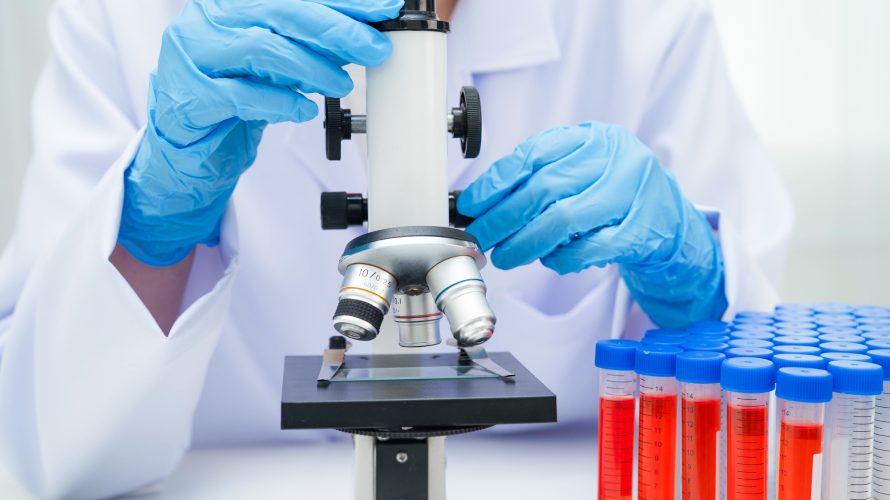
Stem cell therapy in Japan has attracted increasing attention from international patients who are interested in advanced regenerative medicine and anti-aging treatments. Stem cells are unique cells in the human body that have the ability to develop into different types of specialized cells, such as muscle cells, nerve cells, and blood cells. Because of this ability, they play an important role in the body’s natural healing process. When tissues are damaged due to injury, aging, or disease, stem cells can help support repair and regeneration. In modern medicine, scientists and doctors study how these cells can be used to assist the body in recovering more effectively. This is the basic concept behind stem cell therapy. Instead of simply treating symptoms, regenerative medicine focuses on supporting the body’s natural repair systems.
In stem cell therapy, stem cells are typically collected from the patient’s own body. One of the most common sources is adipose tissue, which is fat tissue found under the skin. This tissue contains a high number of regenerative cells. During a minor medical procedure, a small amount of fat may be collected under local anesthesia. The collected tissue is then processed in a specialized laboratory where stem cells are separated and prepared for medical use. After this preparation process, the cells are introduced back into the patient’s body through injection or intravenous infusion. The goal is to allow the stem cells to support tissue repair, reduce inflammation, and promote natural healing.
One of the reasons stem cell therapy in Japan has gained international attention is the country’s strong reputation in regenerative medicine research. Japan has invested heavily in medical science, and its universities, research institutes, and medical organizations continue to explore new possibilities for regenerative treatments. Japanese researchers have played an important role in advancing stem cell science. For example, the discovery of induced pluripotent stem cells, also known as iPS cells, by a Japanese scientist significantly accelerated global research in this field. Although iPS cells are mainly used in research and clinical trials, they represent the innovative environment that exists in Japan’s medical community.
Another factor that makes stem cell therapy in Japan attractive to international patients is the country’s regulatory approach to regenerative medicine. Japan introduced special frameworks to encourage medical innovation while maintaining patient safety. These regulations allow certain regenerative therapies to be offered under carefully monitored conditions. As a result, clinics and medical institutions in Japan are able to provide treatments based on the latest scientific developments. This balance between innovation and safety has helped Japan become an important destination for patients seeking advanced medical options.
Stem cell therapy is often studied for a wide range of potential applications. In orthopedic medicine, stem cells may be used to support the treatment of joint conditions such as knee pain or cartilage damage. In dermatology and aesthetic medicine, regenerative therapies are explored for skin rejuvenation and anti-aging purposes. Researchers are also studying how stem cells may support neurological health, immune function, and overall wellness. While many of these areas are still being researched, interest in regenerative medicine continues to grow worldwide.
Anti-aging medicine is one field where stem cell therapy in Japan has received particular attention. As the body ages, its natural ability to repair tissues gradually decreases. This can lead to slower healing, reduced cell function, and the visible signs of aging. Regenerative medicine aims to support the body’s internal repair processes by introducing cells that can communicate with damaged tissues. Stem cells release growth factors and signaling molecules that help activate the body’s natural healing responses. These signals may encourage nearby cells to repair themselves, improve circulation, and reduce inflammation. Because of this supportive role, stem cells are sometimes described as coordinators of the body’s healing environment.
For international patients considering stem cell therapy in Japan, understanding the general treatment process is helpful. The first step is usually a medical consultation where doctors review the patient’s health condition, medical history, and treatment goals. This consultation helps determine whether regenerative therapy may be suitable. If the treatment plan involves adipose-derived stem cells, a small sample of fat tissue is collected through a minimally invasive procedure. The stem cells are then isolated and processed in a laboratory. After preparation, the cells are administered back into the body through injection or intravenous infusion depending on the treatment strategy.
The recovery process after stem cell therapy is generally designed to be comfortable for patients. Because many regenerative treatments use the patient’s own cells, the risk of immune rejection may be reduced. Doctors often monitor patients after treatment to observe progress and overall health. Follow-up consultations may also be recommended to evaluate how the body responds over time. Each patient’s experience can differ depending on their condition and overall health status.
Another reason international patients explore stem cell therapy in Japan is the country’s high medical standards. Japanese healthcare is widely respected for its quality, precision, and attention to patient safety. Medical professionals undergo extensive training, and many facilities are equipped with advanced medical technologies. In addition, Japan has a strong culture of continuous research and improvement in healthcare. This environment supports the development of innovative medical techniques and encourages collaboration between researchers and clinicians.
Japan is also known for having one of the highest life expectancies in the world. This has contributed to global curiosity about Japanese approaches to longevity and healthy aging. While lifestyle factors such as diet and physical activity play important roles, medical research also contributes to the country’s focus on long-term health. Regenerative medicine, including stem cell therapy, is one area where scientists continue to explore new possibilities for supporting healthy aging.
Medical tourism has grown significantly in recent years, and regenerative medicine is one of the areas attracting international attention. Some patients choose to travel abroad to access treatments that may not be widely available in their home countries. For those interested in regenerative medicine, Japan offers a combination of advanced technology, medical expertise, and a strong research background. However, it is important for patients to conduct careful research before pursuing any medical treatment abroad. Understanding the clinic’s qualifications, medical team, and treatment approach is an essential step.
When considering stem cell therapy in Japan, patients should also maintain realistic expectations. Although regenerative medicine is a promising field, it is still evolving. Scientists continue to study how stem cells interact with different tissues and how they can be used safely and effectively. Results may vary depending on individual health conditions, and not every treatment will produce the same outcome. A responsible clinic will provide clear explanations about the potential benefits and limitations of therapy.
The future of stem cell therapy in Japan is closely linked to ongoing research and technological development. Scientists are exploring new ways to improve cell culture techniques, enhance the regenerative potential of stem cells, and better understand how these cells interact with the body. Advances in biotechnology, artificial intelligence, and precision medicine may also contribute to the development of more personalized regenerative treatments. As these innovations continue to progress, Japan is likely to remain one of the key centers of regenerative medicine research.
In summary, stem cell therapy in Japan represents an important area of modern regenerative medicine. By utilizing the unique properties of stem cells, doctors aim to support the body’s natural healing processes and explore new possibilities for tissue repair and anti-aging medicine. Japan’s strong research environment, medical expertise, and commitment to innovation have helped the country gain international recognition in this field. For international patients interested in advanced medical treatments, understanding the science behind stem cells and the role of regenerative medicine can provide valuable insight into the future of healthcare.
-
前の記事
記事がありません
-
次の記事
How to Choose a Stem Cell Clinic in Japan