How to Choose a Stem Cell Clinic in Japan
Stem cell therapy has become one of the most discussed topics in regenerative medicine, and many international patients are now looking toward Japan for advanced treatment options. As interest in anti-aging medicine, longevity research, and regenerative therapies grows worldwide, the demand for reliable medical providers is also increasing. For patients who are considering treatment abroad, choosing the right stem cell clinic in Japan is one of the most important decisions they will make. Understanding how stem cell therapy works and what factors to consider when selecting a clinic can help patients make more informed choices.
Stem cells are special cells in the human body that have the ability to develop into many different types of specialized cells. These may include muscle cells, nerve cells, cartilage cells, or other tissue cells. Because of this flexibility, stem cells play a major role in the body’s natural repair processes. When injuries occur or tissues are damaged due to aging or disease, stem cells can help support regeneration and healing. Modern regenerative medicine studies how these cells can be used in clinical treatments to help the body recover more effectively.
In many regenerative treatments, stem cells are obtained from the patient’s own body. One of the most commonly used sources is adipose tissue, which is fat tissue located beneath the skin. Adipose tissue contains a large number of regenerative cells, making it a practical source for therapeutic use. During a small medical procedure performed under local anesthesia, a doctor may collect a small amount of fat tissue. This tissue is then processed in a specialized laboratory where stem cells are isolated and prepared. After preparation, the cells may be reintroduced into the patient’s body through injections or intravenous infusion.
Because stem cell therapy involves advanced medical techniques, choosing the right stem cell clinic in Japan requires careful research. Patients should understand that regenerative medicine is still a developing field, and the quality of treatment can vary depending on the medical facility. A reputable clinic should provide clear information about the treatment process, safety protocols, and the scientific background behind the therapy.
One of the first things international patients should look for when selecting a stem cell clinic in Japan is the qualifications of the medical team. Experienced physicians with backgrounds in regenerative medicine, orthopedics, internal medicine, or related fields are essential for safe and effective treatment. Doctors should also be able to explain the procedure in detail and answer questions about potential benefits and risks. A transparent and informative consultation process is often a good sign that the clinic prioritizes patient understanding and safety.
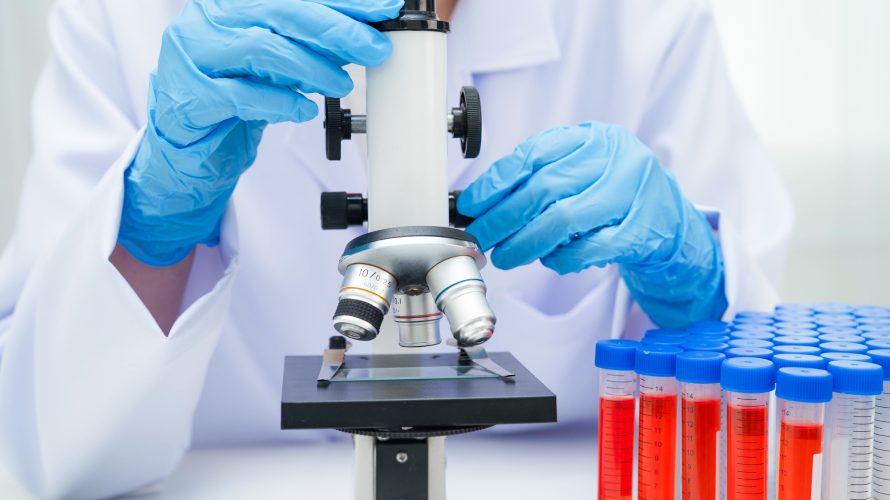
Another important factor is the medical facility itself. A reliable stem cell clinic in Japan should have appropriate laboratory facilities for cell processing and preparation. Because stem cells must be handled carefully to maintain their quality, laboratories often follow strict protocols and safety standards. Clinics may also use advanced equipment to ensure the cells are properly isolated and prepared before administration. These processes are essential for maintaining the integrity of the therapy.
Japan has gained international recognition in regenerative medicine due to its strong research environment and regulatory framework. The country has introduced specialized systems that allow certain regenerative treatments to be offered under carefully monitored conditions. These regulations are designed to support innovation while protecting patient safety. As a result, many stem cell clinics in Japan operate within structured medical guidelines that help ensure proper treatment standards.
When researching a stem cell clinic in Japan, international patients may also want to review the clinic’s experience with specific types of treatment. Stem cell therapy is studied for many different medical applications, including joint health, skin regeneration, immune support, and anti-aging medicine. Some clinics may focus on orthopedic conditions, while others may specialize in wellness or longevity treatments. Understanding the clinic’s area of expertise can help patients find a facility that aligns with their treatment goals.
Communication is another important consideration. Many international patients prefer clinics that offer multilingual support or consultation services in English. Clear communication is essential when discussing medical history, treatment plans, and follow-up care. A clinic that provides support for international patients may also assist with travel planning, scheduling, and medical documentation. This type of service can make the overall treatment experience more comfortable for patients traveling from abroad.
Safety and transparency are also key factors when choosing a stem cell clinic in Japan. A reputable clinic should provide detailed explanations about the treatment process, including how stem cells are collected, processed, and administered. Patients should also receive information about potential risks, recovery time, and expected outcomes. Responsible medical providers avoid making unrealistic promises and instead focus on providing balanced information based on current scientific understanding.
Stem cell therapy is often associated with anti-aging medicine because regenerative treatments aim to support the body’s natural repair systems. As people age, the body’s ability to regenerate tissues gradually decreases. This decline can lead to slower healing, reduced cell activity, and other signs of aging. Stem cells release growth factors and signaling molecules that help coordinate the body’s healing responses. These signals may help support circulation, reduce inflammation, and encourage tissue repair. Because of this supportive role, stem cells are sometimes described as “biological messengers” that help guide the body’s natural recovery processes.
Japan’s reputation for longevity has also contributed to international interest in regenerative medicine. The country has one of the highest life expectancies in the world, and its healthcare system is widely respected for its quality and safety. Japanese medical institutions are known for their attention to detail, advanced technology, and commitment to patient care. These factors have helped establish Japan as a notable destination for patients interested in innovative medical treatments.
Medical tourism continues to grow globally, and regenerative medicine is one of the areas attracting attention from international patients. Some individuals choose to travel abroad because certain therapies may not yet be widely available in their home countries. Others are interested in receiving treatment in countries that have strong research backgrounds in specific medical fields. For patients interested in regenerative medicine, Japan offers a combination of scientific expertise, advanced facilities, and a culture of medical innovation.
However, patients should always approach medical tourism with careful preparation. Before choosing a stem cell clinic in Japan, it is important to conduct thorough research and consult with qualified medical professionals. Reviewing clinic credentials, physician experience, and treatment protocols can help ensure that the chosen facility meets appropriate medical standards. Patients should also consider practical aspects such as travel logistics, recovery time, and follow-up care.
It is also important to understand that stem cell therapy is still being actively studied in many areas of medicine. Although research continues to show promising possibilities, the effectiveness of treatment can vary depending on the patient’s condition, overall health, and treatment approach. Responsible clinics will explain these factors clearly and provide realistic expectations regarding potential results.
As regenerative medicine continues to develop, new discoveries and technologies are expected to expand the potential applications of stem cell therapy. Researchers are exploring improved cell culture methods, advanced laboratory techniques, and personalized treatment approaches that may enhance the regenerative capacity of stem cells. These innovations may lead to more targeted and effective therapies in the future.
In conclusion, choosing the right stem cell clinic in Japan requires careful consideration of several factors, including medical expertise, laboratory facilities, regulatory compliance, and patient support services. Japan’s strong reputation in regenerative medicine, combined with its high medical standards, has made the country an important destination for patients interested in advanced treatments. By conducting thorough research and consulting with qualified professionals, international patients can better understand their options and make informed decisions about regenerative therapies.
Stem cell therapy continues to be one of the most exciting areas of modern medicine. As scientific knowledge expands and technology advances, regenerative treatments may play an increasingly important role in healthcare and longevity research. For patients exploring these possibilities, selecting a reliable stem cell clinic in Japan is an essential step toward understanding the potential of regenerative medicine.